The Allure of Risk and Reward
The captivating nature of casino games largely stems from the intrinsic thrill of risk and reward. Players are often drawn to the uncertainty of outcomes, which ignites a sense of excitement and anticipation. This dynamic interplay between risk and potential payout activates areas of the brain associated with pleasure, much like the effects of recreational substances. When players explore options like nz online casino , they experience an adrenaline rush that reinforces their desire to play again, creating a feedback loop that can be hard to resist. The act of placing a bet can trigger a release of dopamine, the neurotransmitter responsible for feelings of pleasure, making the experience highly addictive.
This psychological phenomenon is often explained by the concept of «loss aversion,» where individuals prefer to avoid losses more than they desire to achieve gains. Casinos leverage this through carefully designed games that create an environment where players perceive themselves as being on the cusp of winning big, despite the odds being stacked against them. The strategic placement of winning symbols and sounds can reinforce this perception, keeping players engaged longer as they chase the elusive jackpot. This sense of being «almost there» is a powerful motivator, causing players to invest more time and money in the hopes of a favorable outcome.
Moreover, the thrill of risk-taking can be particularly appealing to certain personality types, such as sensation-seekers. These individuals thrive in environments that offer intense experiences. For them, the casino becomes a playground of possibilities, where the unpredictability of outcomes adds an exhilarating edge to their gaming experience. This psychological engagement is a powerful catalyst driving players back, contributing significantly to the overall success of casino establishments. The combination of risk and reward creates a compelling narrative that keeps players returning for more, often disregarding the long-term consequences of their gambling behavior.
The Role of Cognitive Biases
Cognitive biases play a crucial role in how players perceive and engage with casino games. One of the most common biases is the «gambler’s fallacy,» the belief that past events influence future outcomes in random games. For instance, if a roulette wheel has landed on red several times in a row, players may erroneously assume that black is ‘due’ to appear. This misunderstanding of probability can lead to illogical betting patterns, allowing casinos to profit from players’ misconceptions about chance. The gambler’s fallacy exemplifies how intuition can often mislead, leading players to make decisions that are contrary to the underlying odds.
Additionally, the availability heuristic can impact decision-making during gameplay. Players may remember their wins more vividly than their losses, reinforcing the idea that they are more successful than they truly are. This skewed perception can encourage them to continue gambling, despite a consistent pattern of losses. Casinos often capitalize on this tendency by highlighting winners and showcasing large payouts, creating an illusion of attainable success that entices new and returning players alike. Marketing strategies that focus on big wins can easily overshadow the more frequent small losses that players encounter.

Furthermore, the environment within casinos is meticulously designed to amplify these biases. From the bright lights and sounds to the strategic layout of games, everything is orchestrated to create an atmosphere where players feel lucky and optimistic. Such an environment not only masks the reality of odds but also fosters a sense of community among players, which can further dilute rational decision-making as they feed off each other’s energy and excitement. The combination of social reinforcement and cognitive biases can lead to a cycle of gambling that feels rewarding in the moment but can have detrimental effects in the long run.
The Impact of Social Interaction
Casino gaming is not just an individual pursuit; it is often a social activity that encourages interaction among players. This social dimension can significantly enhance the overall experience. Games such as blackjack or poker allow players to bond over shared experiences, with camaraderie and competition intertwining in a lively atmosphere. Research has shown that social interactions can amplify feelings of enjoyment and satisfaction, making players more likely to return for future gameplay. The social aspect of gaming can also create a sense of accountability, where players feel they are part of a community that shares similar interests.
Moreover, social gaming taps into our fundamental need for connection. Engaging with others at the tables or sharing strategies can create a sense of belonging, reinforcing the desire to visit casinos not just for the games but for social engagement as well. Additionally, multiplayer games can bring about shared excitement, where players collectively celebrate wins or commiserate over losses, adding an emotional layer that can heighten the gaming experience. This collective emotional investment can lead to a more immersive experience, further solidifying the bond between players and their favorite games.
Casinos often encourage social interaction through events, tournaments, or themed nights, designed to draw in crowds and cultivate a lively atmosphere. This setup can not only increase player retention but also create a unique brand identity for the casino. By fostering a sense of community, these establishments can turn casual gamers into loyal patrons who eagerly anticipate their next opportunity to engage with both the games and the people around them. The social fabric of casinos transforms gambling from a solitary activity into a shared adventure, enhancing the overall enjoyment for players.
The Influence of Environment and Design
The design of a casino plays a significant role in shaping player behavior and experience. From the moment guests enter, they are enveloped in an environment crafted to stimulate their senses and enhance the gaming experience. The strategic use of colors, lighting, and sounds is essential in promoting a specific atmosphere that encourages continuous play. For example, soft lighting and vibrant colors can create a sense of urgency, while upbeat music can enhance excitement and prolong gameplay. This sensory overload is designed to keep players engaged, making it easier for them to lose track of time and money.
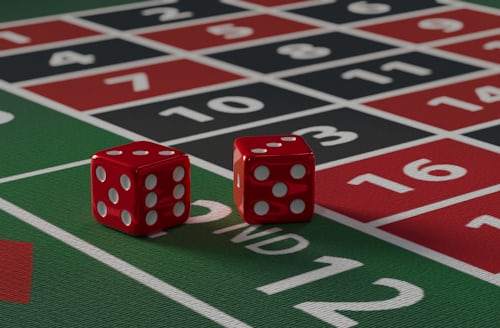
Furthermore, the layout of a casino is designed to keep players engaged and disoriented. By strategically positioning games and amenities, casinos encourage exploration and often guide players toward high-traffic areas. This intentional design can create a sense of familiarity, making it easy for players to lose track of time and money as they navigate through an enticing labyrinth of gaming options. The presence of amenities like bars and restaurants further entices players to stay longer, blurring the lines between entertainment and gambling. This clever manipulation of space and environment ensures that players continue to engage with the casino longer than they might have initially intended.
Additionally, the presence of rewards programs and loyalty incentives can significantly impact player behavior. These programs leverage psychological principles by providing immediate gratifications, such as bonuses or comp points, which can instill a sense of loyalty. Players are motivated not only to chase immediate wins but also to maintain their status within the casino community. This clever integration of environment, design, and psychological incentives ensures that players remain immersed in the casino experience long after they’ve finished playing. Such strategic environments are fundamental to the business model of casinos, ensuring repeat visits and sustained player engagement.
Understanding the Casino Landscape
Understanding the psychology behind casino games is key to appreciating the broader landscape of the gaming industry. The interplay of risk, cognitive biases, social interactions, and environmental design intricately weaves together to create an immersive experience for players. As individuals explore these facets, they gain insight into their motivations and behaviors within a casino setting, which can lead to more informed decision-making regarding gambling. Recognizing these psychological elements can empower players to approach gaming with a more critical mindset, potentially mitigating the risks associated with gambling.
Moreover, responsible gaming initiatives and educational resources can benefit both players and operators. By promoting awareness around the psychological elements at play, casinos can foster a more sustainable environment that prioritizes the well-being of its patrons. Understanding the nuances of player psychology can lead to more effective strategies for maintaining customer satisfaction while also encouraging responsible play. This recognition can help players to set boundaries and keep their gambling habits in check, ultimately enhancing their overall experience.
As the casino landscape continues to evolve, so does the need for comprehensive insights into player psychology. By focusing on these aspects, the industry can enhance the gaming experience while ensuring that it remains enjoyable and safe. Ultimately, a deeper understanding of the psychological underpinnings of casino games can create a more engaging, sustainable, and responsible gambling environment that benefits everyone involved. This holistic approach can lead to a healthier gaming culture, where enjoyment and responsibility coexist harmoniously.